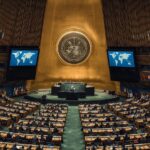


International organizations are institutions formed by multiple countries to facilitate cooperation on political, economic, social, or security issues. They provide frameworks for coordination, rule-setting, and dispute resolution. By enabling structured dialogue, international organizations help manage global challenges that exceed the capacity of any single state.
Understanding international organizations is essential to grasp how global governance functions. They influence diplomacy, security policies, human rights implementation, trade, and development. This article explores the types, functions, roles, challenges, and future of international organizations.
What Are International Organizations
International organizations are formal structures created to manage cooperation among states. They operate at regional or global levels and may involve both state and non-state actors. International organizations differ from informal alliances because they have defined rules, mandates, and procedures.
Key Characteristics
Membership includes multiple countries or entities.
They operate based on agreements or treaties.
Organizational structures include secretariats, assemblies, and decision-making bodies.
Activities cover policy coordination, conflict mediation, and development assistance.
Types of International Organizations
Intergovernmental Organizations (IGOs)
IGOs are formed by states to coordinate on specific issues. Examples include:
United Nations (UN): Addresses peace, security, and development.
North Atlantic Treaty Organization (NATO): Focuses on collective defense.
World Trade Organization (WTO): Regulates international trade.
World Health Organization (WHO): Oversees global health cooperation.
IGOs are funded and governed by member states, and they operate according to international treaties.
Non-Governmental Organizations (NGOs)
NGOs are independent entities operating internationally. They focus on advocacy, humanitarian assistance, or development. Examples include:
Red Cross: Provides emergency relief and medical assistance.
Amnesty International: Monitors human rights practices.
Doctors Without Borders: Provides medical services in crisis zones.
NGOs influence policy through research, advocacy, and direct service delivery.
Hybrid Organizations
Hybrid organizations include both state and non-state actors. They operate in specialized fields, such as disaster response, climate change, or scientific collaboration. Examples:
International Committee of the Red Cross (ICRC): Works with states and civil society in conflict zones.
Global Fund: Combines governments, private sector, and NGOs to address health crises.
Regional Organizations
Regional organizations focus on specific geographic areas. They manage political, economic, or security issues relevant to the region. Examples:
European Union (EU): Promotes economic integration and governance.
African Union (AU): Supports regional peace and development.
Association of Southeast Asian Nations (ASEAN): Facilitates cooperation among Southeast Asian states.
Functions of International Organizations
Policy Coordination
International organizations align policies across countries. They establish common rules for trade, security, environmental protection, and health. Coordination prevents conflicts and reduces duplication of efforts.
Standard-Setting
Organizations develop standards to regulate state behavior. Examples include labor regulations, environmental standards, and financial reporting norms. Standards provide predictability and fairness in international interactions.
Conflict Mediation
International organizations serve as neutral platforms for dispute resolution. Mediation can prevent escalation of conflicts and support peace processes. Organizations monitor ceasefires, host negotiations, and provide technical support.
Capacity Building
Organizations provide expertise, training, and resources to strengthen member states’ abilities. Capacity building occurs in governance, health systems, disaster management, and infrastructure development.
Monitoring and Reporting
Organizations monitor compliance with agreements and international norms. They collect data, issue reports, and recommend corrective measures. Monitoring ensures transparency and accountability.
Humanitarian Assistance
International organizations coordinate relief during disasters, conflicts, and health emergencies. They mobilize resources, personnel, and logistics for affected populations.
Research and Knowledge Sharing
Organizations conduct research, collect statistics, and disseminate knowledge. Evidence-based recommendations guide policy and practice.
Roles of International Organizations
Promoting Peace and Security
Organizations help prevent and resolve conflicts. They deploy peacekeeping missions, mediate negotiations, and facilitate disarmament.
Supporting Economic Development
They provide financial assistance, technical expertise, and trade facilitation. Development programs target poverty reduction, infrastructure, and social services.
Protecting Human Rights
International organizations monitor human rights compliance. They promote legal frameworks and advise states on implementation.
Facilitating Global Health
Organizations coordinate responses to epidemics, pandemics, and health infrastructure development. They establish standards, distribute resources, and train personnel.
Environmental Governance
They address climate change, pollution, and natural resource management. Programs include agreements, monitoring, and capacity building.
Challenges for International Organizations
Diverse Membership
Member states have different priorities, political systems, and resources. Aligning interests can be difficult.
Funding Limitations
Organizations rely on contributions from members or donors. Limited funding affects operations and program reach.
Enforcement Limitations
Organizations often lack independent enforcement powers. Compliance depends on member cooperation.
Political Influence
Powerful states may dominate decision-making. This can create imbalances and reduce perceived neutrality.
Coordination Complexity
Large organizations must coordinate across departments, countries, and sectors. Bureaucracy can slow decision-making.
International Organizations and Global Governance
International organizations contribute to global governance by:
Establishing rules and norms for state behavior.
Providing forums for dialogue and negotiation.
Monitoring implementation of international agreements.
Facilitating cooperation on shared challenges, including trade, health, and security.
They complement state sovereignty while promoting collective action.
Case Studies of International Organization Impact
United Nations Peacekeeping
UN missions stabilize conflict zones, support elections, and monitor ceasefires. Success depends on mandate clarity, resources, and cooperation of member states.
World Health Organization and Epidemics
WHO coordinates international responses to health emergencies. It provides guidelines, distributes supplies, and facilitates cross-border collaboration.
European Union Economic Integration
EU programs harmonize trade, finance, and regulations among member states. They foster stability and cooperation across Europe.
African Union Conflict Mediation
AU initiatives mediate regional disputes, deploy monitoring missions, and coordinate humanitarian assistance.
Future of International Organizations
Adaptation to Emerging Issues
Organizations must address cyber threats, climate change, migration, and technological disruptions.
Strengthening Coordination
Improved collaboration among IGOs, NGOs, and hybrid organizations can enhance efficiency.
Inclusive Membership
Increasing participation of smaller states and non-state actors ensures broader representation.
Evidence-Based Decision-Making
Organizations will rely more on data, research, and analysis to guide programs and policies.
Sustainability
Long-term financial and operational sustainability is critical for continued relevance.
Conclusion
International organizations are essential to global cooperation. They provide frameworks for diplomacy, conflict resolution, policy alignment, human rights, and development. Through coordination, monitoring, and capacity building, they help manage challenges that exceed the capacity of individual states.
Understanding international organizations clarifies how global decisions are made, how disputes are resolved, and how states collaborate to maintain stability. As global challenges evolve, these institutions will continue to play a central role in governance, cooperation, and problem-solving.