

Introduction
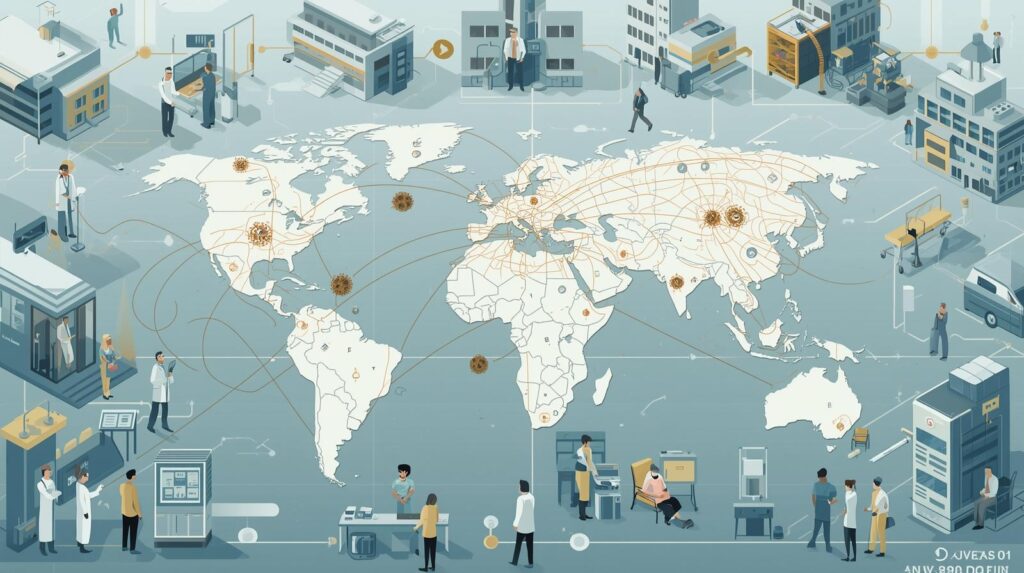
Global health refers to the health of populations across countries, emphasizing transnational health issues, determinants, and solutions. It encompasses disease prevention, healthcare systems, and international cooperation. Understanding global health is essential for governments, organizations, and communities to manage health risks and improve well-being worldwide.
Global health addresses infectious diseases, chronic conditions, environmental health, and access to medical services. International frameworks, policies, and cooperation shape strategies to improve health outcomes. This article explores global health systems, challenges, policies, institutions, and future directions.
Key Components of Global Health
Healthcare Systems
- Provide prevention, diagnosis, treatment, and rehabilitation services.
- Include hospitals, clinics, community health centers, and mobile units.
- Structure and funding vary by country, affecting accessibility and quality.
Public Health
- Focuses on disease prevention, health promotion, and community well-being.
- Programs include vaccination, sanitation, nutrition, and education campaigns.
Epidemiology
- Studies the distribution and determinants of diseases in populations.
- Informs policy decisions, outbreak response, and resource allocation.
Health Determinants
- Social, economic, environmental, and genetic factors influence population health.
- Access to clean water, nutrition, housing, and education is critical.
Global Health Challenges
Infectious Diseases
- Diseases such as HIV/AIDS, malaria, tuberculosis, and influenza affect millions.
- Outbreaks can spread rapidly due to travel, trade, and urbanization.
Non-Communicable Diseases
- Chronic conditions like diabetes, heart disease, and cancer are rising globally.
- Lifestyle, environment, and access to care influence prevalence.
Health Inequality
- Disparities in access to healthcare exist between and within countries.
- Vulnerable populations face higher risks and lower health outcomes.
Environmental Health
- Pollution, climate change, and unsafe water affect disease patterns.
- Natural disasters disrupt health services and increase morbidity.
Global Pandemics
- Novel viruses, such as COVID-19, highlight vulnerabilities in health systems.
- Coordination, preparedness, and rapid response are essential.
International Health Organizations
World Health Organization (WHO)
- Provides leadership, technical assistance, and coordination for global health initiatives.
- Develops guidelines, monitors health trends, and supports emergency responses.
United Nations Children’s Fund (UNICEF)
- Focuses on child health, nutrition, vaccination, and maternal care.
World Bank and Regional Development Banks
- Fund health infrastructure, programs, and capacity-building projects.
NGOs and Civil Society
- Deliver services, advocacy, and education in regions with limited health access.
- Partner with governments and communities to implement programs.
Health Systems and Policy
Universal Health Coverage
- Ensures access to essential health services without financial hardship.
- Policies include public insurance, subsidized care, and community health programs.
Disease Surveillance and Reporting
- Monitoring systems detect outbreaks and track health indicators.
- Early warning enables rapid intervention and containment.
Vaccination Programs
- Immunization prevents disease spread and reduces mortality.
- Global campaigns target diseases such as polio, measles, and influenza.
Health Workforce Development
- Training and deploying medical professionals is essential for service delivery.
- Retention and equitable distribution of healthcare workers remain priorities.
Global Health Security
Pandemic Preparedness
- Strategies include surveillance, laboratory capacity, and emergency response plans.
- International cooperation is crucial to manage cross-border threats.
Antimicrobial Resistance
- Misuse of antibiotics reduces effectiveness and increases infection risks.
- Policies regulate prescription, usage, and research for new treatments.
Health Infrastructure
- Hospitals, clinics, laboratories, and supply chains support healthcare delivery.
- Resilient infrastructure is vital during emergencies.
Access to Medicines
- Equitable distribution of essential medicines ensures treatment availability.
- International agreements address patent rights and generic production.
Health and Economic Development
Labor Productivity
- Healthy populations contribute to workforce efficiency and economic growth.
Healthcare Expenditure
- Investment in healthcare infrastructure and programs supports long-term development.
Poverty Reduction
- Access to healthcare reduces disease burden and enhances quality of life.
International Aid and Funding
- Donor countries, NGOs, and international institutions support healthcare in low-resource settings.
Case Studies in Global Health
COVID-19 Pandemic
- Exposed gaps in preparedness, supply chains, and health infrastructure.
- Coordinated global response included vaccines, testing, and policy guidance.
Malaria Control in Africa
- Insecticide-treated nets, preventive treatment, and education reduced incidence.
- Partnerships between governments, WHO, and NGOs support programs.
Polio Eradication Campaigns
- Coordinated vaccination campaigns target high-risk regions.
- International cooperation has reduced global cases significantly.
Maternal and Child Health Programs
- Focused interventions improved survival, nutrition, and access to care.
- Collaboration between local governments and international agencies enhances effectiveness.
Emerging Global Health Issues
Climate Change and Health
- Heatwaves, floods, and air pollution affect disease patterns and mortality.
- Adaptation strategies integrate environmental and health planning.
Mental Health
- Increasing recognition of mental health challenges and need for services.
- Policies address stigma, access, and integration into primary care.
Digital Health
- Telemedicine, electronic health records, and mobile applications improve access.
- Data analytics support disease monitoring and personalized care.
Health Equity
- Strategies focus on marginalized groups, including migrants, rural populations, and low-income communities.
- International frameworks promote inclusive health systems.
International Cooperation and Governance
Global Health Initiatives
- Programs address HIV/AIDS, tuberculosis, malaria, and neglected diseases.
- Funding, technical support, and partnerships enable large-scale impact.
Health Regulations
- International Health Regulations (IHR) govern cross-border disease control.
- Compliance ensures timely reporting, containment, and collaboration.
Research and Development
- Collaborative research addresses vaccines, treatments, and health technologies.
- Open data sharing accelerates innovation and implementation.
Funding Mechanisms
- Multilateral organizations, donor countries, and philanthropic foundations support global health programs.
- Sustainable financing ensures continuity of services and preparedness.
Future of Global Health
Strengthening Health Systems
- Focus on resilience, capacity, and equitable access to services.
Innovation and Technology
- Digital tools, telemedicine, and AI improve healthcare delivery and monitoring.
Preparedness for Emerging Threats
- Early warning systems, stockpiles, and rapid response plans reduce impact of outbreaks.
Policy Integration
- Health considerations increasingly influence economic, environmental, and social policies.
Global Collaboration
- Coordination among states, institutions, and civil society is essential to address transnational health issues.
Conclusion
Global health encompasses the well-being of populations worldwide, addressing diseases, healthcare systems, and determinants of health. Challenges include infectious and chronic diseases, health inequality, environmental risks, and emerging threats.
International organizations, policies, and cooperation frameworks support disease prevention, access to care, and health system strengthening. Investment in healthcare infrastructure, workforce development, and technology ensures sustainable progress.
Future success in global health requires collaboration, innovation, and integrated strategies to improve health outcomes, reduce disparities, and enhance resilience for populations across the world.