
Introduction
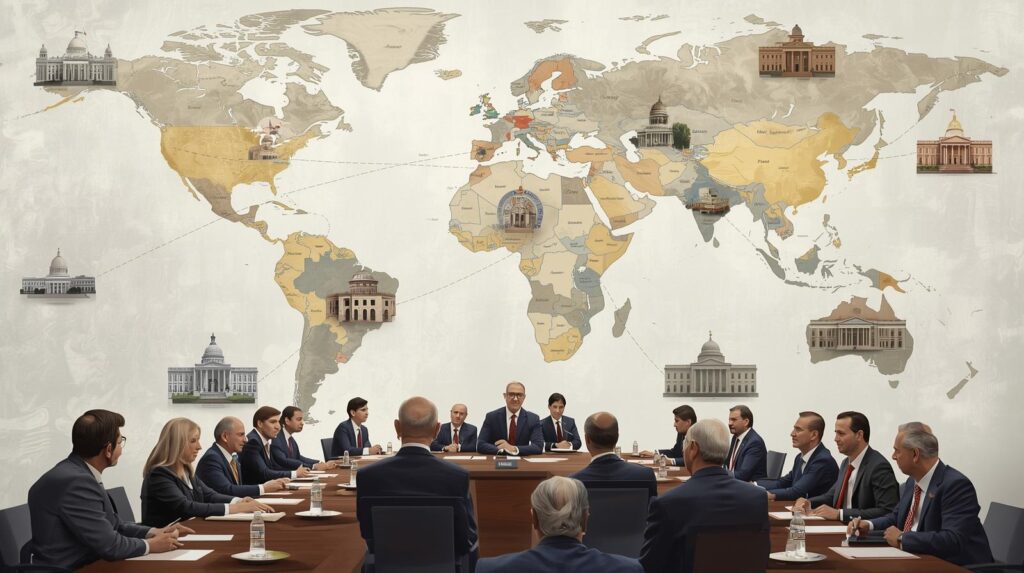
Global politics refers to how states, institutions, and leaders interact across borders. These interactions affect security, trade, diplomacy, and social conditions worldwide. Decisions made in one region can influence lives in another. Global politics operates through formal systems such as governments and international organizations, and through informal channels such as alliances, negotiations, and economic ties.
In the current era, global politics plays a role in conflict management, economic coordination, climate response, and humanitarian action. Understanding how this system works helps readers follow international events, policy changes, and power shifts.
This article explains the structure, actors, processes, and current trends in global politics.
What Is Global Politics
Global politics is the study and practice of political relations beyond national borders. It includes cooperation, competition, and conflict between states and other actors. Unlike domestic politics, global politics has no central authority. Rules are created through treaties, agreements, and shared practices.
Key elements of global politics include:
- State behavior
- International law
- Diplomacy
- Conflict and peace processes
- Economic relations
- Global governance
Global politics influences war decisions, trade policies, border rules, and international cooperation.
Main Actors in Global Politics
Nation-States
Nation-states remain the main actors in global politics. Each state controls territory, population, and government. States pursue interests such as security, economic growth, and political influence.
States interact through:
- Diplomacy
- Treaties
- Trade agreements
- Military alliances
Power differences shape how states influence global decisions.
International Organizations
International organizations provide platforms for cooperation. They help states manage shared issues and reduce conflict.
Examples include:
- United Nations
- World Trade Organization
- International Monetary Fund
- World Health Organization
These organizations do not replace states but support coordination.
Regional Organizations
Regional bodies address issues within specific areas. They focus on security, trade, and political cooperation.
Examples include:
- European Union
- African Union
- Association of Southeast Asian Nations
Regional cooperation can strengthen political coordination and economic ties.
Non-State Actors
Non-state actors influence global politics without holding state power. These include:
- Non-government organizations
- Multinational corporations
- Media networks
- Advocacy groups
These actors shape debates, provide information, and influence policy outcomes.
Power in Global Politics
Power determines influence in global politics. It affects who sets rules and who follows them.
Military Power
Military capacity remains a key factor. States use armed forces for defense, deterrence, and conflict engagement. Military alliances such as NATO influence global security decisions.
Economic Power
Economic strength shapes global influence. States with large economies control trade flows, currency systems, and financial institutions. Economic sanctions and trade policies serve as political tools.
Political Influence
Political systems, leadership stability, and diplomatic networks affect influence. States with strong diplomatic reach can shape international agendas.
Soft Power
Soft power refers to influence through culture, values, and ideas. Education exchanges, media presence, and public diplomacy shape global perceptions.
Global Governance
Global governance refers to how global issues are managed without a world government. It relies on cooperation between states and institutions.
International Law
International law sets rules for state behavior. It includes treaties, conventions, and customary practices. While enforcement depends on state consent, international law guides diplomacy and conflict resolution.
Multilateral Agreements
Multilateral agreements address shared challenges such as climate change, arms control, and trade. These agreements require negotiation and compromise.
Crisis Management
Global governance mechanisms respond to crises such as conflicts, pandemics, and humanitarian emergencies. Coordination remains complex due to political interests.
Conflict and Security in Global Politics
Conflict remains a central issue in global politics. It includes wars, border disputes, and internal conflicts with international impact.
Causes of Conflict
Common causes include:
- Territorial disputes
- Resource access
- Political control
- Identity tensions
Global politics influences how conflicts escalate or resolve.
Peace Processes
Peace processes involve negotiation, mediation, and agreements. International actors often assist through diplomacy and monitoring.
Security Alliances
Alliances shape security decisions. Collective defense agreements influence deterrence and conflict prevention.
Global Politics and the Economy
Economic relations are central to global politics. Trade, investment, and financial systems connect states.
Trade Relations
Trade agreements regulate the exchange of goods and services. Disputes arise over tariffs, access, and regulations.
Financial Systems
Global financial institutions influence development, debt management, and economic stability. Monetary policies affect global markets.
Sanctions
Sanctions serve as political tools. States use them to influence behavior without military force. Their impact depends on coordination and enforcement.
Global Politics and Technology
Technology shapes political influence and security.
Cyber Politics
Cyber activities affect elections, infrastructure, and information systems. States develop cyber strategies to protect national interests.
Information Control
Media platforms influence public opinion across borders. Information campaigns affect political narratives and diplomatic relations.
Surveillance and Regulation
Technology raises issues related to privacy, regulation, and governance. States debate standards and control mechanisms.
Climate and Environmental Politics
Environmental issues have become central to global politics.
Climate Agreements
States negotiate climate commitments to reduce emissions and manage environmental risks. Implementation varies across regions.
Resource Management
Water, energy, and land resources influence political relations. Competition over resources can increase tension.
Environmental Cooperation
International cooperation supports environmental protection through shared goals and funding mechanisms.
Human Rights in Global Politics
Human rights norms influence diplomatic relations and international law.
Human Rights Institutions
Global institutions monitor rights conditions and issue reports. Enforcement depends on political will.
Humanitarian Action
Humanitarian organizations respond to crises caused by conflict and disasters. Access and funding depend on political decisions.
Accountability
International courts and mechanisms address violations. Their authority varies across cases.
Regional Dynamics in Global Politics
Different regions face distinct political conditions.
Americas
Political relations focus on trade, migration, and security cooperation.
Europe
Regional integration and security coordination shape political relations.
Middle East
Conflicts, alliances, and energy politics influence global dynamics.
Asia-Pacific
Economic growth, security concerns, and regional competition shape political interactions.
Africa
Development, governance, and regional cooperation influence political relations.
Challenges in Global Politics
Global politics faces several challenges:
- Power competition
- Institutional limits
- Inequality between states
- Coordination difficulties
These challenges affect stability and cooperation.
Future Trends in Global Politics
Global politics continues to evolve.
Power Shifts
Changes in economic and military balance influence global leadership.
Multipolar Systems
Multiple centers of influence shape decision-making.
Global Cooperation
Shared challenges require coordination despite political differences.
Conclusion
Global politics shapes how states and societies interact across borders. It affects security, economy, environment, and human welfare. While conflicts and competition remain, cooperation continues through diplomacy and institutions. Understanding global politics helps readers interpret international events and policy decisions.
As global challenges grow, global politics will continue to influence the direction of international relations and shared outcomes.