
Introduction
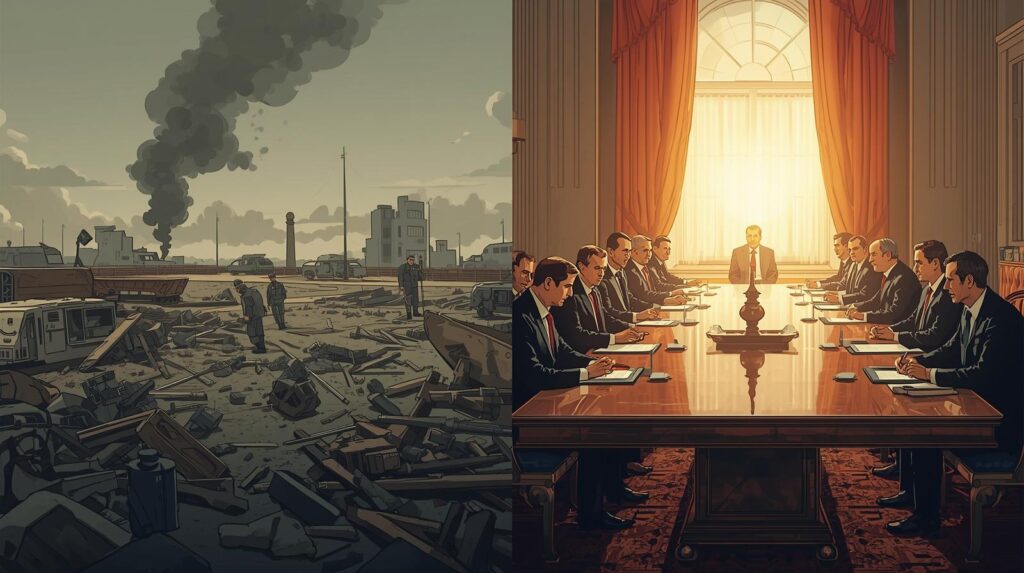
War and peace represent two central conditions in international relations. War involves organized violence between states or groups, while peace refers to the absence of armed conflict and the presence of systems that manage disputes. Together, war and peace shape political decisions, security planning, economic conditions, and social outcomes.
Throughout history, war has altered borders, power structures, and governance systems. Peace processes have created treaties, institutions, and norms aimed at preventing renewed conflict. Understanding war and peace helps explain global stability, conflict cycles, and efforts toward resolution.
This article examines war and peace, their causes, processes, impacts, and role in global affairs.
What Is War
War is an organized conflict involving the use of force between states or organized groups. It is conducted to achieve political, territorial, or strategic goals. War differs from isolated violence due to scale, structure, and intent.
Key features of war include:
- Organized armed forces
- Political objectives
- Sustained operations
- Impact beyond local areas
War influences domestic policy and international relations.
What Is Peace
Peace refers to conditions where armed conflict is absent and disputes are managed through non-violent means. Peace can exist at different levels, from temporary ceasefires to long-term stability supported by institutions.
Peace involves:
- Conflict management
- Political agreements
- Security arrangements
- Social and economic recovery
Peace requires maintenance through dialogue and cooperation.
Causes of War
Political Disputes
Political disputes over governance, legitimacy, or influence can lead to war. Power struggles between states often escalate into armed conflict.
Territorial Claims
Territorial disputes over borders or strategic areas remain a common cause of war. Geography and historical claims play a role.
Security Dilemmas
States may engage in war due to fear of attack. Military buildup by one state can prompt response from another.
Resource Competition
Competition for resources such as energy, land, and water can trigger conflict.
Alliance Obligations
Alliance commitments can draw states into war even if disputes are indirect.
Types of War
Interstate War
Interstate war occurs between states. These wars affect regional and global stability.
Civil War with International Involvement
Internal conflicts become international when external actors intervene.
Proxy War
Proxy wars involve states supporting opposing sides without direct confrontation.
Limited War
Limited wars aim to achieve specific objectives without full-scale mobilization.
Conduct of War
War is conducted through military operations and strategic planning.
Strategy and Planning
States plan operations based on objectives, resources, and geography.
Military Operations
Operations involve land, sea, air, and cyber domains.
Civilian Impact
Civilians are affected through displacement, casualties, and infrastructure damage.
Laws Governing War
International law regulates conduct during war.
Laws of Armed Conflict
These laws aim to limit harm and protect civilians.
War Crimes Accountability
Legal mechanisms address violations committed during war.
Challenges in Enforcement
Enforcement depends on political cooperation and jurisdiction.
Impact of War
War has wide-ranging effects.
Human Impact
War causes loss of life, displacement, and social disruption.
Economic Impact
War disrupts trade, production, and development.
Political Impact
War reshapes governance, alliances, and power relations.
Transition From War to Peace
Ending war requires structured processes.
Ceasefires
Ceasefires pause fighting and create space for negotiation.
Peace Negotiations
Negotiations address causes of conflict and future arrangements.
Peace Agreements
Agreements formalize commitments to end hostilities.
Peacebuilding Processes
Peacebuilding supports long-term stability.
Security Arrangements
Disarmament and security sector reform reduce violence risk.
Political Inclusion
Inclusive governance helps prevent renewed conflict.
Economic Recovery
Rebuilding infrastructure and livelihoods supports peace.
Social Reconciliation
Addressing grievances and trauma supports stability.
Role of International Actors in Peace
United Nations
The UN supports peacekeeping and mediation.
Regional Organizations
Regional bodies assist in monitoring and dialogue.
Mediators and Facilitators
Third parties support negotiation and trust-building.
War, Peace, and Global Politics
War and peace shape global order.
Power Shifts
Wars alter balance of power between states.
Institutional Development
Peace processes lead to new rules and institutions.
Collective Security
States cooperate to prevent and respond to war.
Challenges to Peace
Peace faces ongoing risks:
- Unresolved disputes
- Weak institutions
- External interference
- Resource pressure
Maintaining peace requires long-term commitment.
War Prevention
Preventing war is a central goal.
Diplomacy
Dialogue and negotiation reduce escalation.
Arms Control
Limiting weapons reduces conflict risk.
Confidence-Building Measures
Transparency reduces mistrust between states.
Future of War and Peace
Changing Nature of War
Technology and non-state actors change conflict patterns.
Peace Through Cooperation
Shared challenges increase need for cooperation.
Managing Competition
Balancing rivalry and dialogue shapes future stability.
War & Peace and Global Stability
War threatens stability, while peace supports cooperation and development. Managing conflict and sustaining peace remain core challenges for the global system.
Conclusion
War and peace define how conflicts begin, unfold, and end. War arises from political, territorial, and security disputes. Peace emerges through negotiation, cooperation, and institution-building. Understanding war and peace helps explain global conflict cycles and efforts toward stability.
As global interdependence grows, managing war and sustaining peace remain central to international relations and global governance.