
Introduction
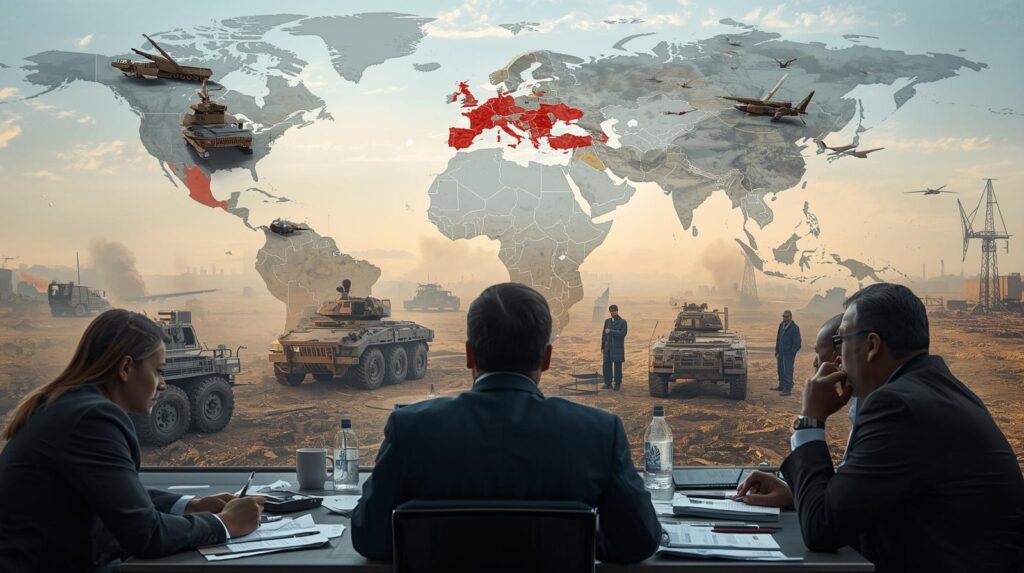
International conflicts occur when disputes between states or groups cross national borders or affect more than one country. These conflicts shape global politics, security planning, economic systems, and humanitarian conditions. International conflicts may involve armed violence, political pressure, or prolonged tension without open warfare.
In the global system, no central authority exists to fully prevent conflict. States pursue interests related to territory, security, resources, and influence. When these interests collide, international conflict emerges. Understanding international conflicts helps explain global instability, diplomatic efforts, and peace initiatives.
This article explains international conflicts, their causes, actors, types, impacts, and management methods.
What Are International Conflicts
International conflicts involve disputes between two or more states, or between a state and non-state actors operating across borders. These conflicts may include military action, economic pressure, political interference, or proxy involvement.
International conflicts differ from internal conflicts because they affect multiple countries and often involve global institutions. Even localized conflicts can become international through alliances, intervention, or economic effects.
Historical Background of International Conflicts
International conflicts have existed since the formation of organized states. Early conflicts centered on territory, trade routes, and power control. Over time, conflict expanded in scale due to industrialization, military development, and global interdependence.
Major historical developments include:
- Border wars between empires
- Colonial conflicts
- World wars
- Cold War rivalry
- Post–Cold War regional conflicts
These events shaped current conflict patterns and institutions designed to manage them.
Main Causes of International Conflicts
Territorial Disputes
Territorial disputes remain a common cause of international conflict. Borders may be unclear due to history, colonial division, or resource location. Competing claims often lead to tension or armed confrontation.
Power Competition
States compete for influence at regional and global levels. Power competition includes military positioning, alliance expansion, and political pressure. Rivalry increases conflict risk.
Resource Access
Access to resources such as energy, water, and minerals influences conflict. Control over supply routes and production zones affects economic and strategic planning.
Political and Ideological Differences
Differences in governance systems and political goals contribute to conflict. States may support opposing groups or challenge political legitimacy.
Security Concerns
States may engage in conflict due to perceived threats. Fear of encirclement, alliance shifts, or military buildup can trigger confrontation.
Actors Involved in International Conflicts
Nation-States
States are the primary actors. Governments decide on military action, diplomacy, and alliances. State power affects conflict duration and scale.
Non-State Armed Groups
Armed groups operate across borders in some conflicts. These groups may receive support from states or operate independently.
International Organizations
Organizations such as the United Nations engage in conflict management, mediation, and peace operations. Their role depends on member support.
Alliances and Coalitions
Military and political alliances influence conflicts through collective defense and joint action.
Types of International Conflicts
Interstate Conflicts
Interstate conflicts involve direct confrontation between states. These may include border clashes or military operations.
Proxy Conflicts
Proxy conflicts occur when states support opposing sides in another region. These conflicts reflect broader power rivalry.
Hybrid Conflicts
Hybrid conflicts combine military force with cyber activity, economic pressure, and information campaigns.
Frozen Conflicts
Frozen conflicts involve unresolved disputes without active warfare. Tension remains despite ceasefires.
International Conflicts and International Law
International law seeks to regulate conflict behavior.
Laws of Armed Conflict
These laws govern conduct during war, including treatment of civilians and prisoners.
Sovereignty and Non-Intervention
International law protects state sovereignty, though exceptions exist under collective security frameworks.
Enforcement Challenges
Enforcement depends on political will. Powerful states often influence outcomes.
Humanitarian Impact of International Conflicts
International conflicts affect civilian populations.
Civilian Displacement
Conflicts force people to flee homes, creating refugee and migration challenges.
Infrastructure Damage
Conflict disrupts transport, health systems, and communication networks.
Humanitarian Access
Aid delivery depends on security conditions and political agreements.
Economic Impact of International Conflicts
Conflicts disrupt economies at national and global levels.
Trade Disruption
Trade routes and markets suffer during conflict, affecting supply chains.
Energy Markets
Energy production and transit disruptions affect prices and availability.
Development Setbacks
Conflict diverts resources from development to security spending.
Role of Diplomacy in International Conflicts
Diplomacy plays a central role in managing conflicts.
Conflict Prevention
Early dialogue and confidence-building measures reduce escalation risk.
Mediation
Third-party mediation supports negotiation and ceasefire agreements.
Peace Talks
Formal talks aim to address core issues and end hostilities.
International Organizations and Conflict Management
United Nations
The UN facilitates peacekeeping, mediation, and humanitarian coordination.
Regional Organizations
Regional bodies support conflict resolution through diplomacy and monitoring.
Peace Operations
Peace missions monitor ceasefires and protect civilians when mandated.
Media and International Conflicts
Media coverage influences public perception and policy responses.
Information Flow
Information shapes narratives and diplomatic pressure.
Misinformation Risks
Conflicts involve information campaigns that affect decision-making.
Technology and Modern International Conflicts
Technology changes how conflicts unfold.
Cyber Activity
Cyber operations affect infrastructure and communication systems.
Surveillance and Intelligence
Technology improves monitoring and early warning.
Weapon Systems
Technological development influences military balance.
Challenges in Resolving International Conflicts
International conflict resolution faces obstacles:
- Mistrust between parties
- External interference
- Weak enforcement mechanisms
- Competing interests
These challenges prolong disputes.
Future Trends in International Conflicts
Multipolar Competition
Multiple power centers increase complexity.
Non-Military Tools
Economic and cyber tools play larger roles.
Regionalization of Conflicts
Local conflicts gain international dimensions.
International Conflicts and Global Stability
International conflicts affect global stability. They influence alliances, markets, and humanitarian conditions. Managing conflicts requires cooperation, diplomacy, and long-term planning.
Conclusion
International conflicts remain a central challenge in global affairs. They arise from territorial disputes, power competition, resource access, and security concerns. While international law and institutions aim to manage conflict, outcomes depend on political will and cooperation.
Understanding international conflicts helps readers interpret global events, diplomatic efforts, and peace initiatives. As global interdependence increases, managing international conflicts remains essential for shared stability.